
Walking Through Lismore's Walled Gardens
Discover the historic charm of stone-walled gardens bursting with seasonal blooms, quiet pathways, and perfect resting spots for a leisurely afternoon.
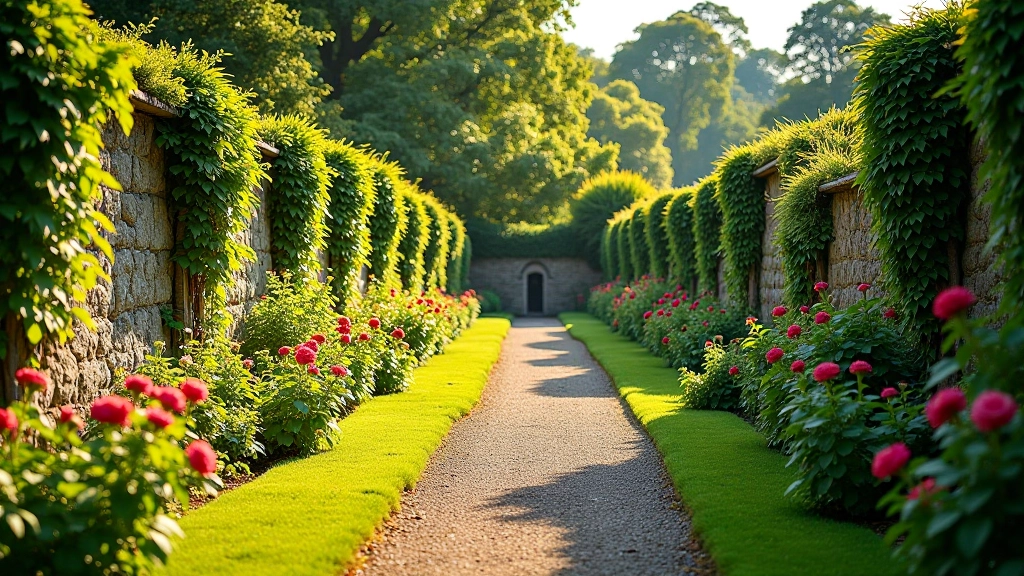
You'll find something special walking through Lismore's walled gardens. The ancient stone walls — some built over three centuries ago — shelter vibrant flower beds, productive vegetable patches, and quiet corners where you can simply sit and breathe. It's not just the plants that make these gardens remarkable; it's how they're designed to invite wandering at your own pace.
Whether you're looking for a gentle 20-minute stroll or planning to spend the afternoon exploring, these gardens offer something for everyone. The stone pathways are well-maintained, the benches are plentiful, and the whole atmosphere feels like stepping back in time — but in the most comfortable way possible.

The Garden's History and Layout
The walled gardens at Lismore date back to the 1700s, though they've been continuously updated and improved over the centuries. What you're walking through today is a living history — the stone walls are original, but the plantings have evolved to include modern accessibility features alongside traditional heritage plants.
The layout's surprisingly logical once you get your bearings. There's a central circular path that takes about 45 minutes to walk at a leisurely pace, with several side paths branching off into specific themed areas. You won't feel rushed or confused — the pathways are clearly defined and there's always a sense of where you're heading.
Did You Know?
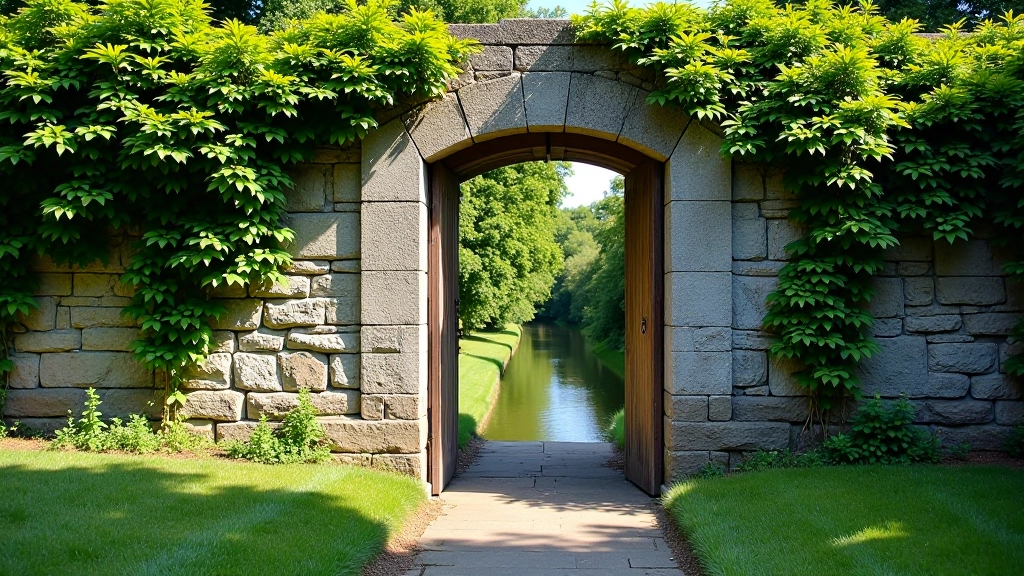
The original stone walls were built without mortar — just carefully stacked stone that's held firm for over 300 years. That's skilled craftsmanship you can literally touch as you walk past.

What Blooms When: A Seasonal Guide
Timing matters when you're planning your visit. Spring brings daffodils and early tulips — we're talking mid-March through April. Summer's when things really explode with color: roses, delphiniums, and perennials filling the borders from June through August. Autumn has its own charm with dahlias and asters keeping things lively through September.
Don't skip winter though. While the herbaceous borders have died back, the structural plantings — evergreens, winter-flowering heathers, and hardy shrubs — create an interesting landscape. Plus, you'll have fewer crowds and can really appreciate the bones of the garden design.
- Spring (March-May): Bulbs, early perennials, fruit tree blossoms
- Summer (June-August): Peak bloom time, roses at their best
- Autumn (September-October): Dahlias, late-season flowers
- Winter (November-February): Evergreen interest, winter structure
About This Guide
This article provides informational guidance based on typical visitor experiences at Lismore's walled gardens. Garden conditions, seasonal plantings, and accessibility features can vary throughout the year. We recommend checking current conditions and visiting hours before planning your trip. Please respect all garden rules and stay on marked pathways for your safety and to protect the plantings.
Explore More Estate Paths

Making the Most of Your Visit
Here's what we've learned from hundreds of visitors: the best time to walk is morning or late afternoon. You'll avoid the midday crowds, the light's beautiful, and the temperature's comfortable. Bring a light jacket — even in summer, the stone walls keep things cool in the shaded areas.
The central loop takes 45 minutes at a relaxed pace. But don't feel pressured to complete it. It's perfectly fine to explore one section deeply, settle on a bench for 20 minutes, then head back. That's actually how these gardens're meant to be experienced — not rushed through, but savored.
Wear Good Shoes
Stone paths are uneven. Flat, supportive shoes with good grip make the walk more enjoyable.
Bring Water
There's limited shade on the open paths. A water bottle keeps you hydrated during warmer months.
Bring a Camera
Every corner offers a photo opportunity. The light through the stone archways is particularly stunning.

Garden Rooms and Hidden Corners
One of the clever things about walled gardens is how they're divided into distinct "rooms." Each section has its own character — the fruit garden with trained apple trees, the rose garden with its formal beds, the kitchen garden area. It's like stepping into different worlds as you walk through the connecting archways and gates.
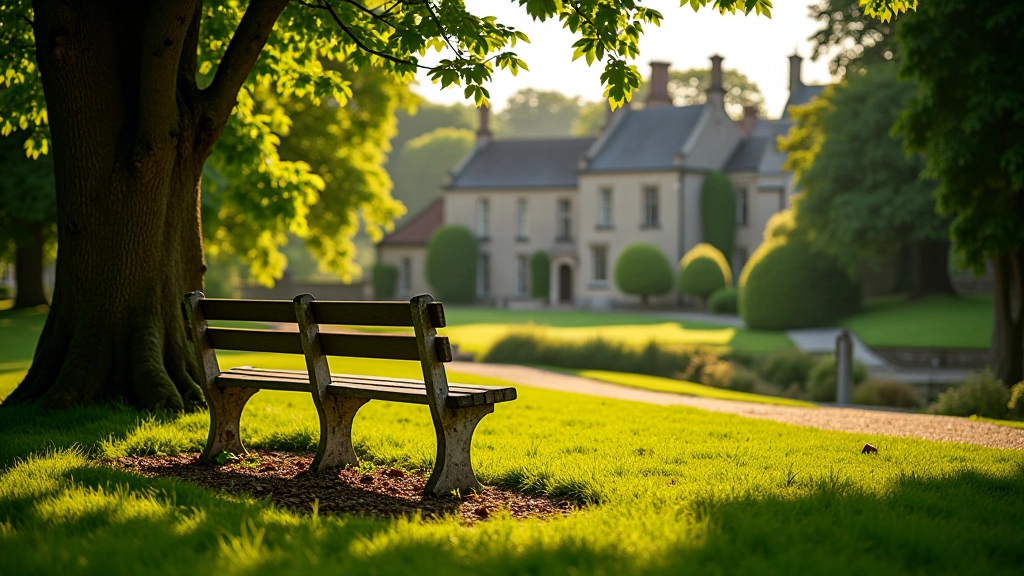
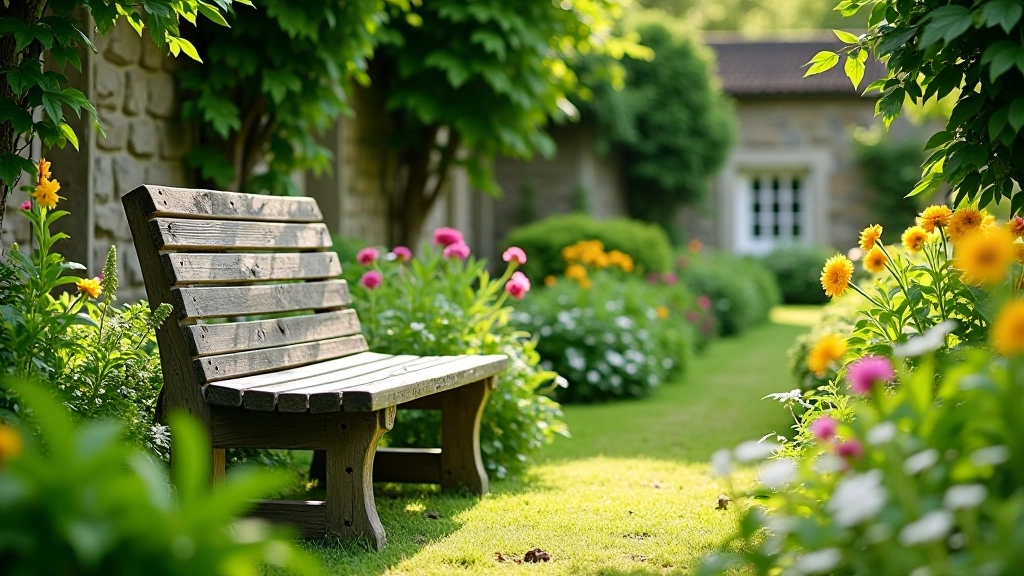
You'll find little corners that don't appear on most maps. A stone seat tucked behind the espaliered pears. A bench in the shade of an old mulberry tree. These quiet spots're where visitors often spend the most time, even though they're not the main attractions. It's worth taking 10 minutes to explore and find your own favorite corner.
The layout actually encourages this kind of wandering. You can't get lost — the walls surround you — but you can certainly find paths that feel like your own discovery.
Plan Your Walled Garden Walk
Walking through Lismore's walled gardens isn't just about exercise or checking off a to-do list. It's about experiencing how gardens were designed to be places of calm and beauty. The stone walls protect you from wind, the varied plantings keep your eye engaged, and the pace is entirely up to you.
Whether you're a keen gardener who wants to study the plant combinations, someone seeking peaceful outdoor space, or just curious about historic estate design, you'll find something worthwhile here. The gardens're open year-round, the pathways're well-maintained, and there's genuine magic in those ancient walls.
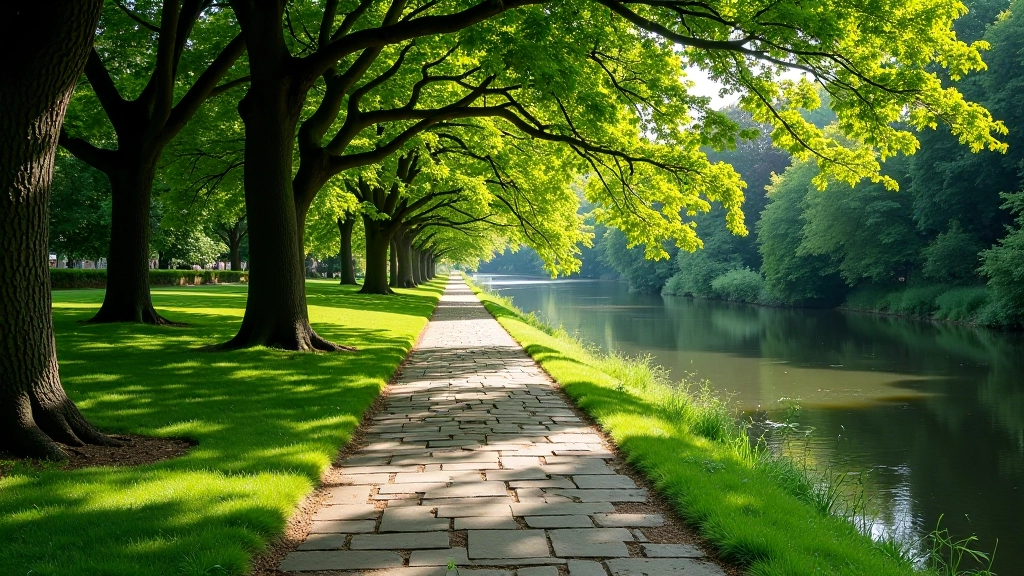
Ready to explore more of Lismore's estate paths? Check out our guides to riverside walks and the best resting spots throughout the grounds.
Explore More Estate Walks